Plastic parts inspection report example
A practical pre-shipment record for molded plastic parts
A clear inspection report helps overseas buyers compare molded parts against drawings, approved samples, material requirements, appearance limits, packing rules, and shipment expectations before goods leave the factory.
Blank workbook
Download the plastic parts inspection template
Use this editable Excel workbook to connect the part and drawing revision with dimensional measurements, appearance checks, packing checks, and open issues. It contains blank fields for your project records.
Download inspection template (.xlsx)
Before use, agree the drawing revision, units, measurement method, sample plan, and acceptance criteria with the buyer. Record the actual observations and any required correction or recheck.
This is a blank recording template, not a completed inspection report. Measurement comparisons do not approve a production batch or authorize shipment.
Buyer use
What this inspection report example is meant to show
For custom injection molded parts, an inspection report is most useful when it connects the approved drawing, sample standard, production batch, measured results, photos, and packing condition. It should be simple enough for the buyer to review quickly, but specific enough to make the shipment record useful later.
Plastic Make Co can support practical inspection records for molded plastic parts when the buyer shares the inspection standard before production. The exact format should match the part risk, drawing detail, order size, destination, and assembly requirement.
The report should also make open questions visible. If a drawing does not define a tolerance, if the buyer has not named the visible surface, or if packing photos are required for customs or receiving control, those points should be clarified before production approval. This keeps inspection from becoming a last-minute argument after parts are already molded.
Best used for
- Plastic parts with critical fit or assembly dimensions.
- Cosmetic parts with visible surfaces and color limits.
- Export orders that need packing photos before shipment.
- RFQs where inspection requirements affect cost or timing.
Report structure
Example inspection report sections
| Report section | What to record | Why buyers need it |
|---|---|---|
| Part and order identity | Part name, part number, drawing revision, material, color, purchase order, batch, and quantity checked. | Prevents confusion between old samples, revised drawings, and the current shipment batch. |
| Dimensional inspection | Critical dimensions, nominal value, tolerance, measured values, tool used, sample quantity, and judgment. | Shows whether molded parts match the drawing and fit-related requirements. |
| Appearance and workmanship | Gate mark, flash, sink, scratch, weld line, texture, color range, visible surfaces, and approved limit samples. | Makes cosmetic judgment less subjective before export. |
| Packing and shipment review | Inner bags, separators, labels, carton condition, pallet photos, quantity per carton, and export marks. | Helps reduce avoidable damage and makes incoming receiving checks easier. |
Dimension record
Example dimensional inspection table
Critical dimensions should come from the buyer’s 2D drawing. The report should state the measurement method and sample quantity so both sides understand how the result was judged.
| Item | Drawing requirement | Sample result | Method | Judgment |
|---|---|---|---|---|
| Overall length | Nominal value and tolerance from drawing. | Measured values from checked samples. | Caliper or agreed gauge. | Pass, hold, or review. |
| Hole diameter | Critical fit dimension if marked by buyer. | Record min, max, and sample count. | Pin gauge or measuring tool. | Compare to tolerance. |
| Assembly feature | Clip, boss, rib, insert, or mating area. | Measured value plus fit comment if needed. | Fixture, mating part, or tool measurement. | Record issue and action if not accepted. |
Appearance
Make cosmetic limits visible
Appearance criteria should name visible surfaces, non-visible surfaces, acceptable gate mark areas, texture range, color sample, flash limit, scratch limit, sink risk, weld line limit, and any approved boundary samples.
Material and color
Confirm what the buyer requested
The report can record material grade, color reference, sample comparison, batch notes, and supplier documents if required. If flame rating, food contact, medical grade, UV resistance, or other regulated-use requirements apply, request documents before production.
Packing photos
Record packing condition before export
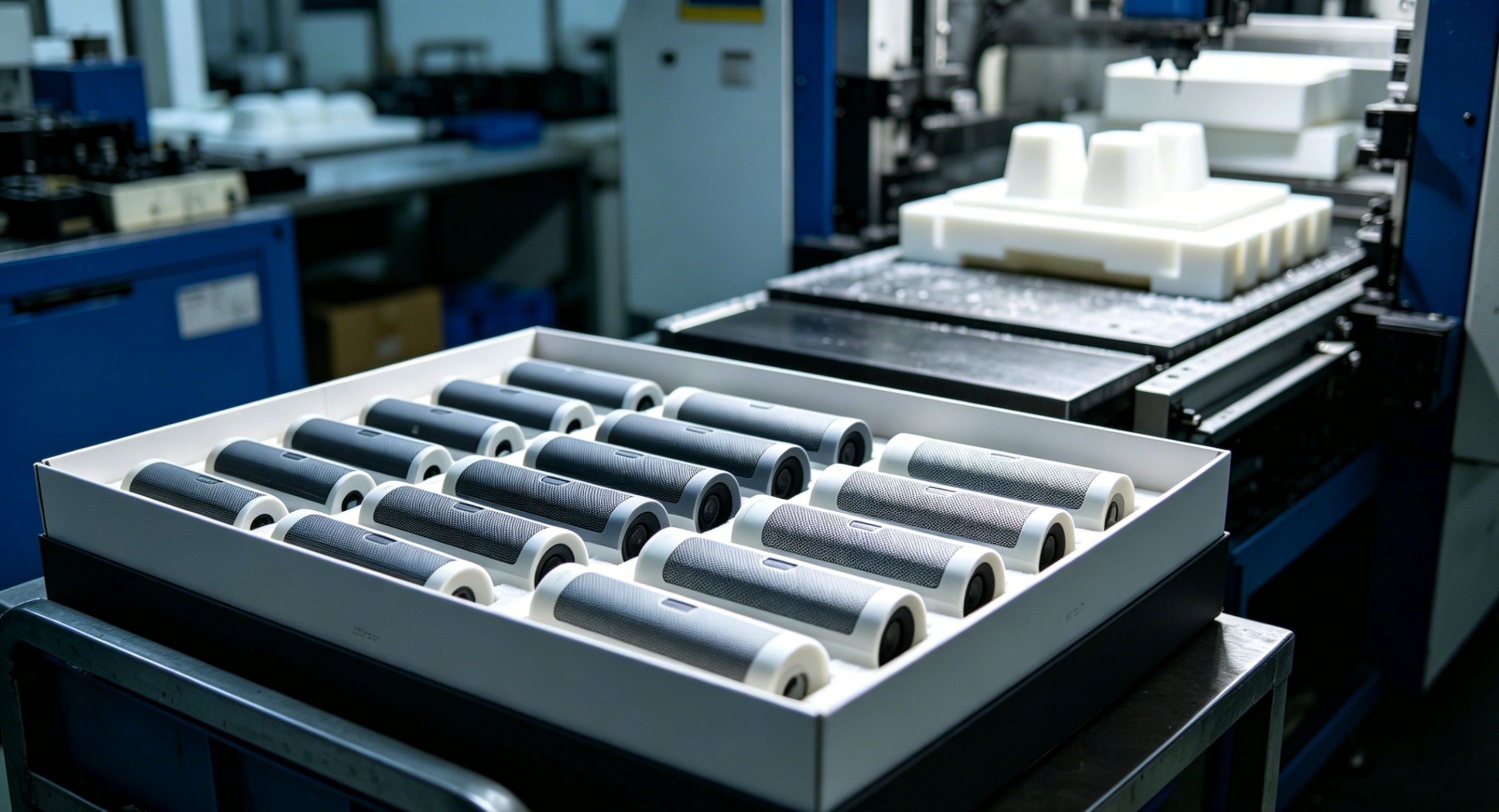
Before shipment, packing photos can show inner bags, dividers, labels, cartons, pallet condition, quantity per carton, and export marks. This helps buyers compare the shipped condition with receiving inspection after arrival.
- Photo of approved parts beside drawing or sample reference when useful.
- Photo of inner packing and separator method for cosmetic parts.
- Photo of carton label, carton quantity, pallet condition, and shipping mark.
RFQ readiness
Include inspection needs before quotation
Drawing and sample standard
Share CAD, 2D drawings, revision number, approved sample photos, and marked critical dimensions.
Appearance and finish
Define visible surfaces, color reference, texture, polish, printing, coating, gate mark areas, and defect limits.
Documents and tests
State if material certificates, special tests, regulated-use documents, or third-party inspection are needed.
Packing and shipment
Confirm inner bags, separators, labels, carton limits, pallet requirements, destination country, and photo record needs.
For higher-risk parts, buyers can also request first-article style checks, extra sample photos, marked measurement points, fixture checks, assembly fit notes, or pre-shipment hold points. These requirements may affect quotation, inspection time, or packing workflow, so they should be discussed early rather than added after production is complete.
Buyer note
Inspection reports need project-specific standards
Plastic Make Co can support inspection records based on the information supplied by the buyer. A report format should not be treated as a universal pass guarantee. Critical features, defect limits, sampling level, tests, certificates, and packing requirements should be confirmed for each RFQ.
Reviewed by: Plastic Make Co project review team
This page is supplier-side plastic part inspection and RFQ guidance only. It is not medical, legal, regulatory, or certification advice. It does not claim a fixed inspection guarantee, customer list, export volume, machine count, lead time, MOQ, capacity, or regulated-use approval. Buyers should define drawing revision, test method, acceptance standard, documentation, packing, and end-use requirements before production approval.
Related resources
Useful pages before final inspection
Inspection becomes easier when the drawing, material, tolerance, tooling, and sample review requirements were agreed earlier in the project.
FAQ
Plastic parts inspection report questions
What should a plastic parts inspection report include?
A practical report should record drawing revision, sample standard, critical dimensions, actual measurements, appearance criteria, material or color checks, packing photos, quantity checks, nonconformity notes, and shipment readiness.
Who should define the inspection standard?
The buyer should mark critical dimensions, visible surfaces, cosmetic limits, material requirements, packing needs, and any test requirements before production. The factory can then quote and inspect against the agreed standard.
Can an inspection report replace incoming inspection?
No. A supplier-side inspection report helps document the shipment condition before export, but buyers should still decide their own incoming inspection plan based on application risk, assembly needs, and regulated-use requirements.
When should inspection requirements be included in an RFQ?
Inspection requirements should be included before quotation when possible, especially for tight tolerances, cosmetic surfaces, material certificates, color limits, assembly fit, export packing, and critical functional features.
Start the review
Send drawings and inspection requirements for RFQ review
Attach CAD, 2D drawings, material, quantity, color, finish, critical dimensions, appearance limits, packing needs, and destination country.
Ready to check your plastic part?
Send drawings for an injection molding quote
For faster review, include CAD files or photos, material, quantity, color, finish, destination country, and any critical fit or appearance requirements.