Sample approval
How buyers review T1 injection molded parts
T1 samples are the first molded parts from a new injection mold. They help the buyer and factory confirm whether the mold, material, appearance, dimensions, and assembly fit are ready for correction, another trial, or production approval.
This T1 sample review guide focuses on dimensions, defects, fit checks, correction decisions, and production approval for custom injection molded parts.
A clear T1 review prevents vague feedback and repeated sampling. Buyers should separate functional issues, dimensional issues, cosmetic issues, and packing concerns so each item can be checked and corrected properly.
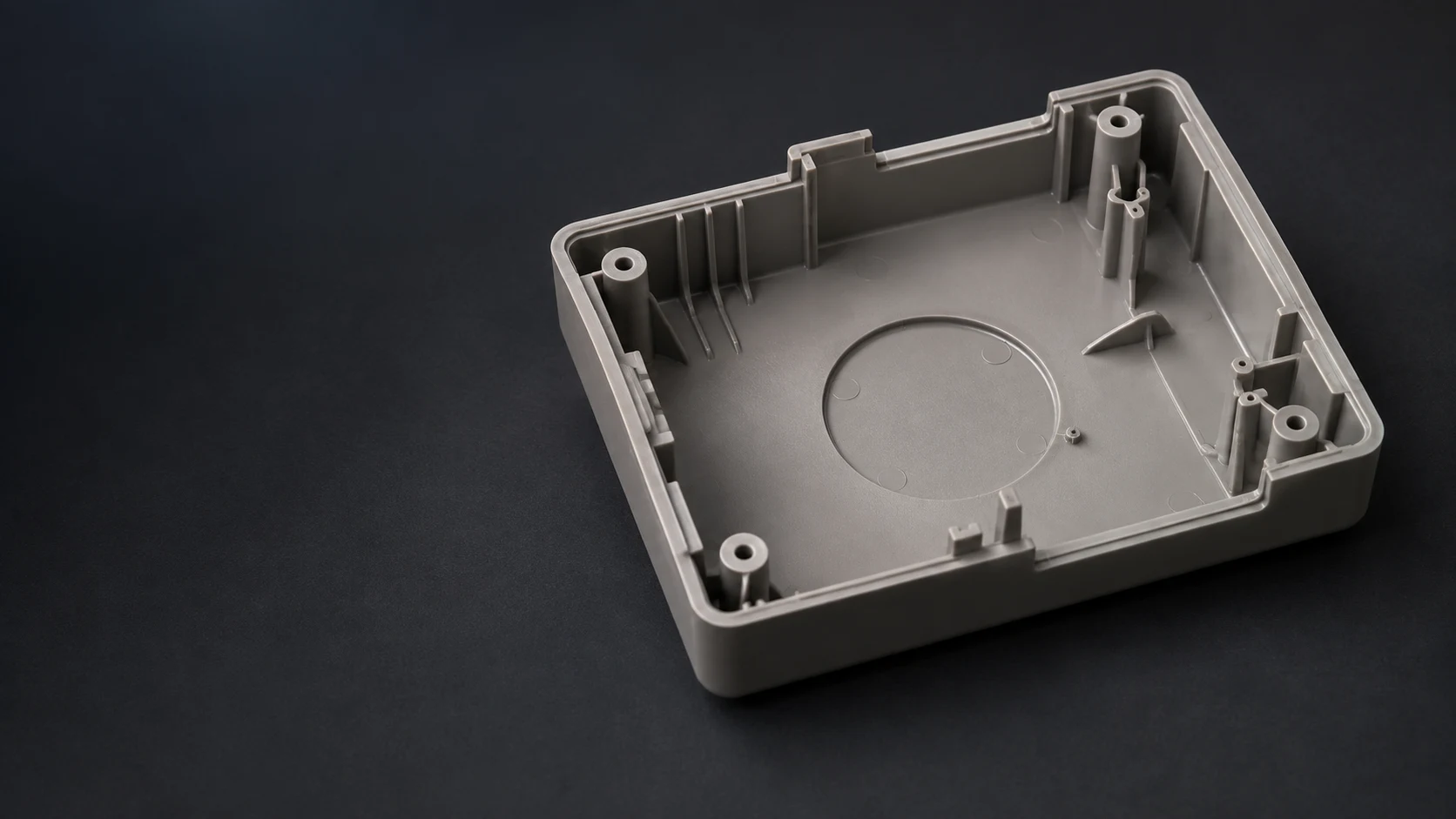
Review checklist
What buyers should check in T1 samples
| Review area | What to check | Useful evidence |
|---|---|---|
| Appearance | Sink marks, flash, scratches, color, texture, weld lines, gate marks, gloss, burn marks, and visible surface limits. | Marked photos, visible surface notes, approved sample reference, and reject examples. |
| Dimensions | Critical dimensions, holes, bosses, ribs, snap features, flatness, warpage, and datum-related features. | Inspection report, drawing callouts, measurement method, and actual dimension data. |
| Assembly | Mating parts, screws, inserts, clips, seals, electronics, fit, clearance, and repeat assembly behavior. | Assembly photos, mating sample, screw or fixture notes, and functional test result. |
| Material and color | Material grade, flexibility, hardness, transparency, color match, texture feel, and surface consistency. | Material requirement, color code, sample comparison, or buyer specification. |
| Function | Strength, movement, sealing, snap fit, load, repeated use, heat exposure, or chemical exposure. | Test condition, pass/fail criteria, use environment, and application notes. |
| Packing | Scratch risk, deformation risk, tray or bag requirement, carton protection, and part-to-part rubbing. | Packing photos, transport concern, buyer packing standard, and carton label needs. |
Buyer feedback
How to give useful T1 feedback
Good feedback is specific, visual, and tied to function or drawings. Vague comments such as “not good” are hard to convert into mold corrections.
The buyer should also approve the items that are acceptable. That keeps the correction list focused and prevents every sample round from reopening settled details.
Use photos, drawing callouts, sample labels, or measurement tables so the factory can find the exact problem.
Separate must-fix functional issues from cosmetic observations or items the buyer can accept.
Reference drawing dimensions, color samples, texture standards, assembly fit, or the intended use environment.
Ask whether the issue needs process adjustment, mold correction, design change, material review, or a new sample round.
Copy and paste
T1 feedback template
Project:
Part name:
Sample batch / date:
Material and color:
Approved items:
Must-fix functional issues:
Must-fix dimensional issues:
Cosmetic issues:
Assembly or fit feedback:
Packing feedback:
Photos or drawing markups attached:
Decision: approve / revise mold / adjust process / request T2 samples
Decision paths
What to do after T1 review
| Decision | When it fits | Next step |
|---|---|---|
| Approve sample | Dimensions, appearance, material, and assembly meet the agreed requirements. | Confirm production standard, approved sample reference, and inspection plan. |
| Process adjustment | Issue may improve through molding parameters, drying, cooling, holding pressure, or handling. | Run adjusted samples and compare photos, dimensions, and function. |
| Mold correction | Dimension, flash, fit, gate, ejection, or tooling issue requires steel correction. | Confirm correction plan, steel-safe limits, timing, and next sample round. |
| Design change | Part geometry needs revision to solve function, strength, warpage, sink, or assembly concerns. | Update CAD and drawings before further tooling change. |
| Material change | Part behavior does not meet strength, flexibility, heat, color, or performance expectations. | Review material impact on shrinkage, dimensions, processing, and mold correction. |
Correction planning
Information needed before the next sample round
Before T2 or another trial, each correction item should have an owner, reason, method, and acceptance check. This is especially important when one change may affect another feature, such as warpage, shrinkage, snap fit, gate marks, or cosmetic surfaces.
Issue evidence
Marked photos, dimension data, sample labels, and affected drawing zones.
Correction method
Process adjustment, mold correction, design update, material review, or handling change.
Acceptance check
What will be measured, photographed, assembled, or function-tested after correction.
Open trade-off
Any risk that one correction may change another dimension, surface, fit, or mold area.
Production handoff
How T1 review connects to production
After T1 correction and approval, the approved sample becomes the reference for production checks. For custom molded parts, production approval should define appearance standard, critical dimensions, packing method, and any assembly or functional checks.
Before tooling starts, a good DFM review can reduce many T1 risks. For quote preparation, use the injection molding RFQ template and RFQ checklist.
Approval standard
What to freeze before production approval
T1 approval should leave a clear production standard, not only a verbal “approved” message. The buyer and factory should know which sample is the reference, which dimensions are critical, which cosmetic limits are acceptable, and what packing method protects the parts during shipment.
Approved sample
Keep a labeled reference sample or photo set for color, texture, gate mark, ejector mark, and visible surfaces.
Critical checks
List the dimensions, assembly points, fit checks, and functional tests that must be controlled during production.
Appearance limits
Define visible zones, acceptable marks, unacceptable defects, and any customer-facing surface requirements.
Packing method
Confirm trays, bags, dividers, labels, carton limits, and protection for threads, cosmetic faces, or flexible parts.
Related resources
Useful pages for T1 review
These pages help prepare the drawing package, tolerance review, inspection records, material decisions, and buyer feedback before and after sampling.
FAQ
T1 sample questions buyers ask
Does T1 mean the mold is ready for production?
No. T1 means first trial samples. The mold may still need process adjustment, steel correction, design feedback, or another sample round before production approval.
What should buyers check in T1 injection molding samples?
Check appearance, dimensions, assembly fit, material and color, functional behavior, gate and ejector marks, packing risk, and any issue that affects production approval.
How should T1 sample feedback be written?
Feedback should be specific, visual, and tied to drawings or function. Mark photos or drawings, separate must-fix items from accepted items, and state the next step.
Should buyers approve T1 samples from photos only?
Photos are useful for early review, but dimensional, functional, assembly, and material approval often requires physical samples, measurement data, and buyer-side fit checks.
Need sample review support?
Send drawings, sample notes, and correction questions
Attach CAD, drawings, sample photos, marked issues, material, color, tolerance notes, assembly context, and any production approval requirements.
Ready to check your plastic part?
Send drawings for an injection molding quote
For faster review, include CAD files or photos, material, quantity, color, finish, destination country, and any critical fit or appearance requirements.