Anonymous case study
Insert Molded Plastic Part Case Study
This case study shows how Plastic Make Co reviews an insert molded plastic component where metal threaded inserts must stay aligned, protected, and mechanically reliable during molding, inspection, assembly, packing, and export.
Project snapshot
What the buyer needed to control
| Part type | Molded plastic component with threaded metal inserts. |
|---|---|
| Process | Insert molding, mold design review, T1 samples, insert/thread inspection, production packing. |
| Key requirement | Stable insert position, enough plastic support around the insert, reliable thread engagement, and practical pull-out or torque review. |
| Main risk | Insert shift, flash near the insert, plastic cracking, weak retention, thread damage, and assembly fit variation. |
| Status | Anonymous project example used to show the review process; no customer name, quantity, or confidential part data is disclosed. |
Buyer challenge
The buyer needed the insert to stay square and repeatable while plastic flowed around it. Small movement during molding could affect thread engagement, assembly torque, visible flash, or final part fit.
What made it risky
Insert molding combines plastic flow, metal positioning, heat transfer, shrinkage, and operator handling. The insert area has to be designed for retention and inspected in a way the buyer can repeat.
Review goal
The goal was not simply to mold plastic around metal. The project needed a clear way to approve insert position, thread quality, surrounding plastic, and packing protection before regular production.
DFM and tooling review
Insert retention and molding flow were checked before tooling
For insert molded parts, the insert design and the molded plastic geometry need to work together. The review focused on how the insert would be located, held, surrounded by plastic, released from the tool, and checked after molding.
- Insert drawing, outside diameter, thread specification, knurling, undercut, and plating or corrosion expectations.
- Plastic wall thickness around the insert, boss support, ribs, stress points, and sink risk.
- Tool holding method, insert loading direction, parting line, shut-off, flash risk, and ejector position.
- Gate position, flow around the insert, weld line risk, and possible void or burn areas.
- Thread protection, gauge check, torque or pull-out sample test, and packing protection.
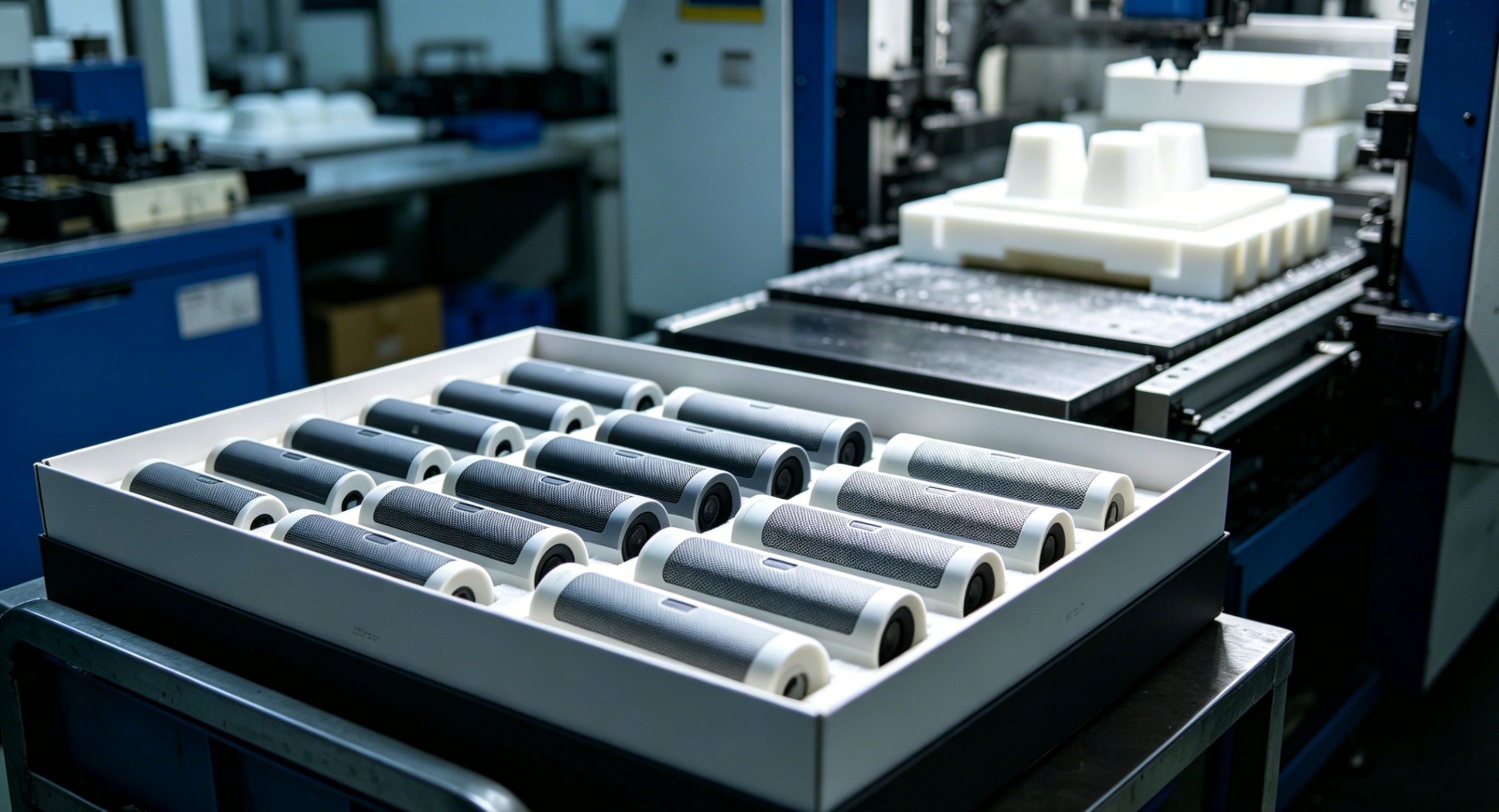
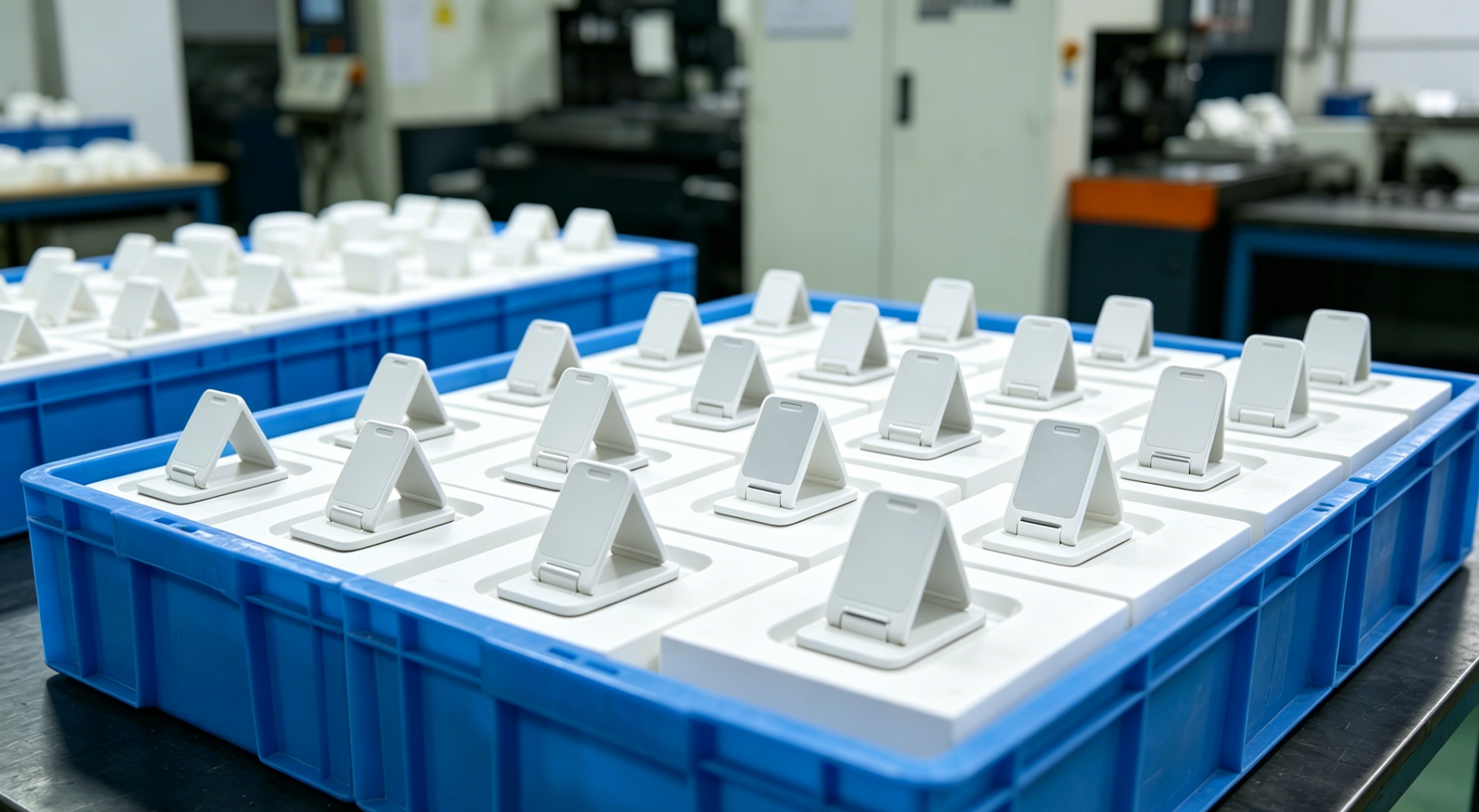
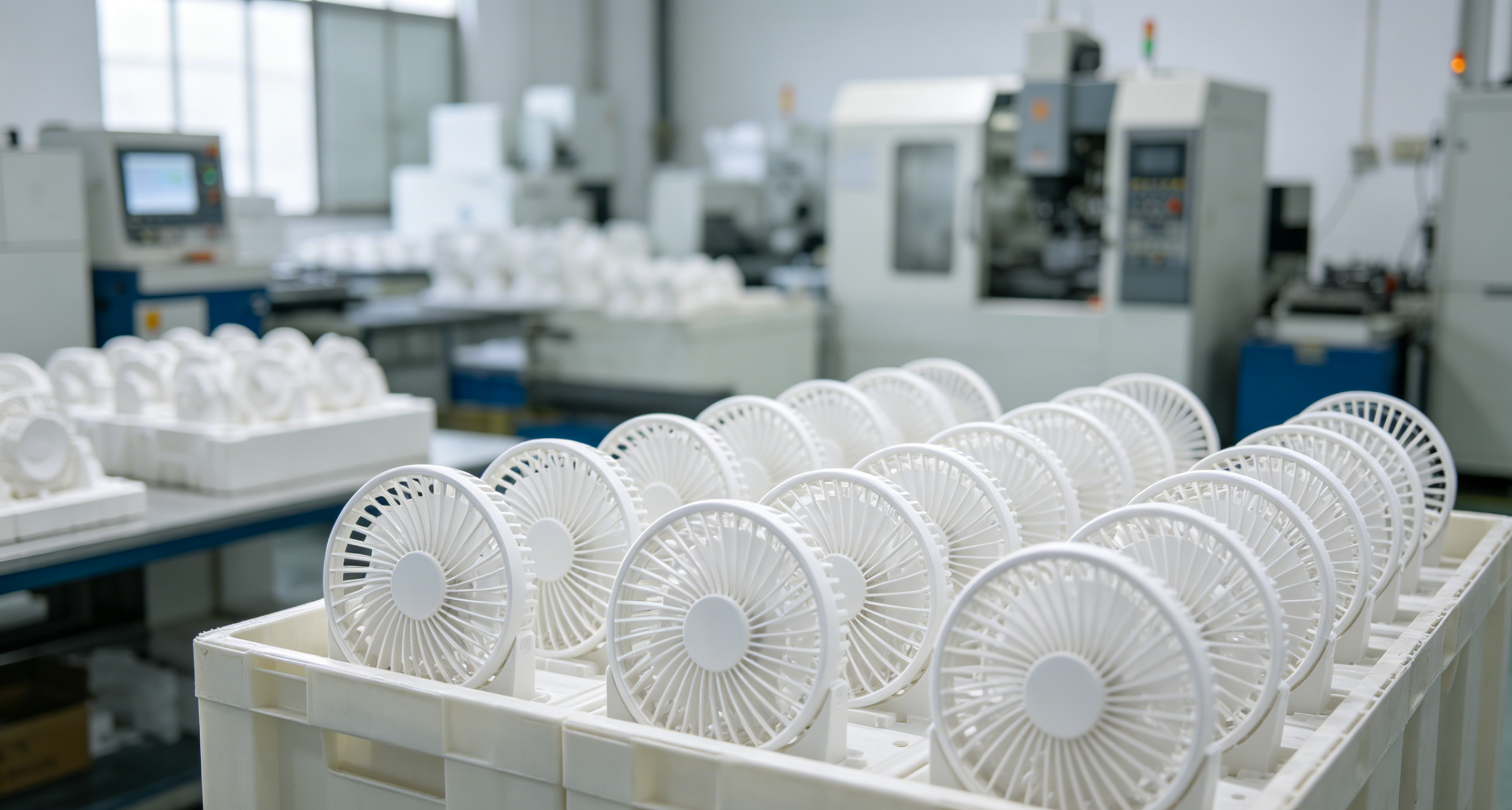
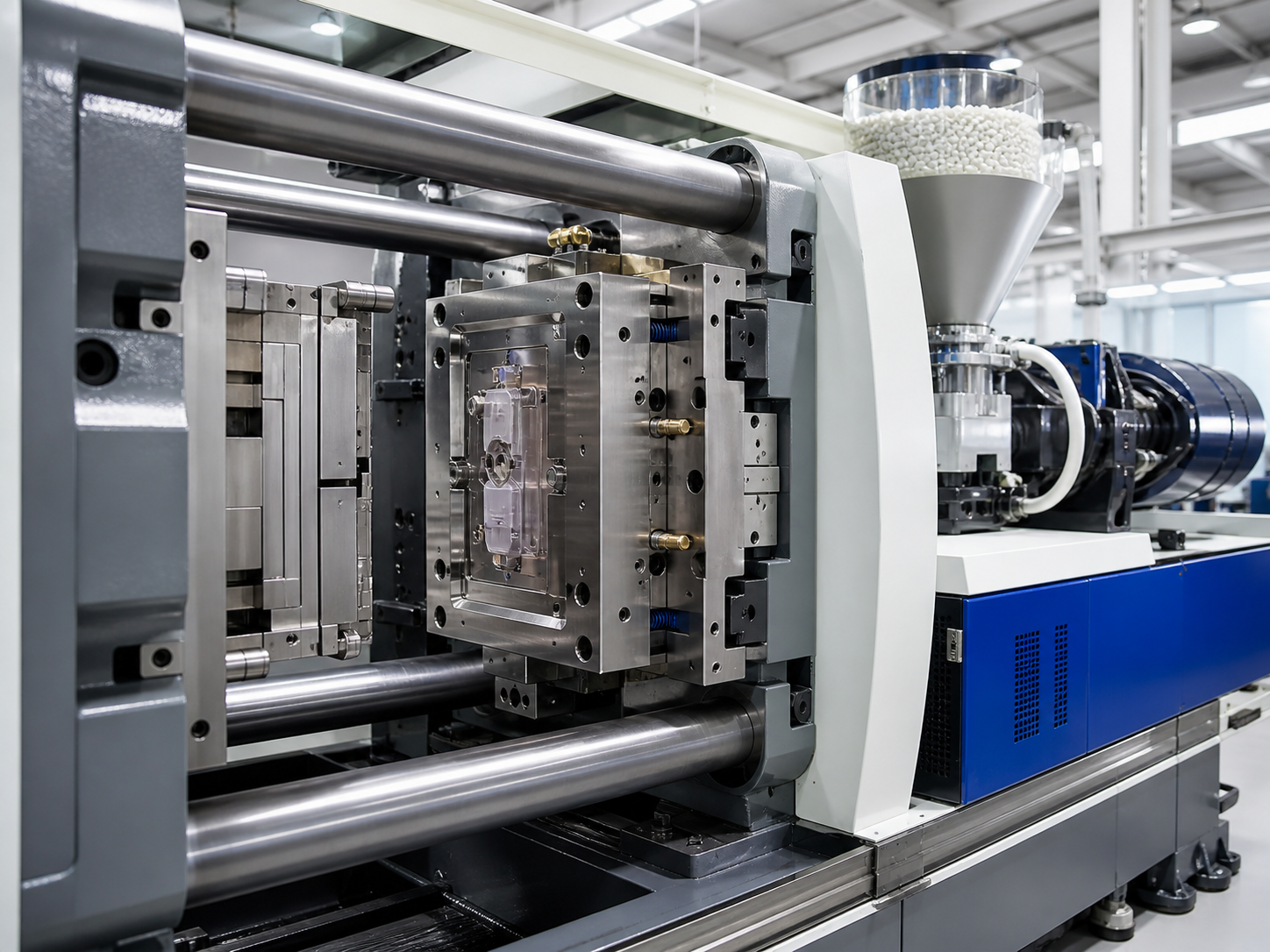
Photo evidence
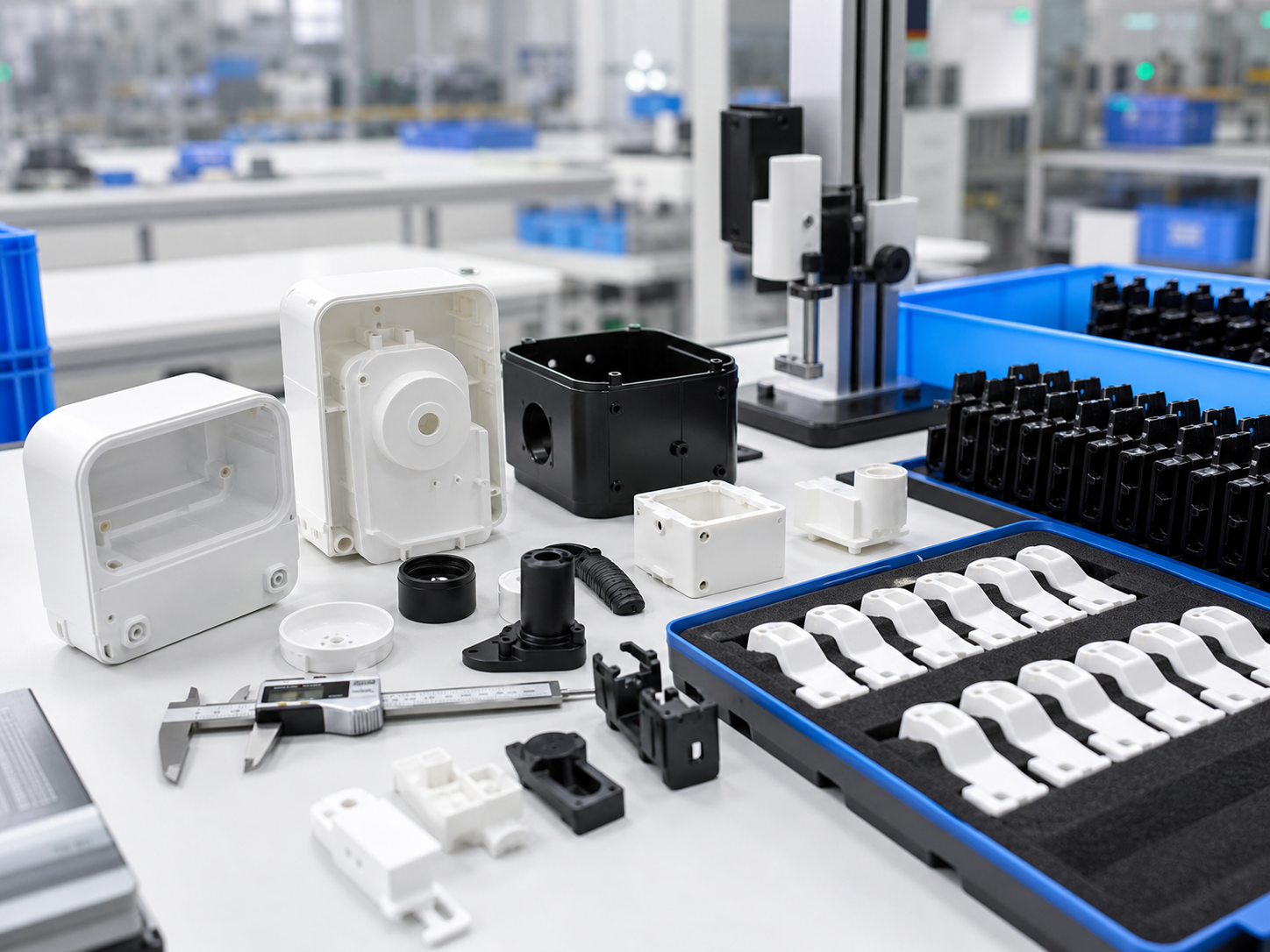
Insert molded part photo evidence buyers should review
A useful overseas-buyer case should include more than text. Review product, structure, mold or T1, inspection, and packing photos so the project discussion stays connected to real manufacturing checkpoints.
T1 sample feedback
Sample review separated functional, dimensional, and appearance issues
| Review item | What was checked | Why it matters to the buyer |
|---|---|---|
| Insert position | Height, angle, concentricity, and location relative to the molded plastic feature. | Position controls assembly fit and reduces risk of cross-threading or uneven load. |
| Thread condition | Thread gauge, contamination, flash, plating damage, and assembly feel. | Thread quality must be checked before the buyer commits to batch production. |
| Plastic around insert | Cracking, sink, short shot, void, weld line, and material fill near the insert boss. | Weak plastic support can affect pull-out strength, torque, and long-term reliability. |
| Appearance and packing | Flash, scratches, gate marks, insert surface damage, bagging, and carton protection. | Export handling should protect both the plastic surface and the metal insert area. |
Production and inspection
The production checklist made insert quality easier to repeat
Incoming insert check
Insert dimensions, threads, surface condition, material note, and batch consistency before molding.
Molding process check
Insert loading, mold holding, flash near shut-offs, fill around the insert, and molded part appearance.
Functional sample check
Thread gauge, assembly feel, torque or pull-out sample test if specified, and mating component fit.
Export packing check
Bagging, insert protection, carton labeling, mixed-part prevention, and photos before shipment.
Result
The case created a clearer approval path before repeat production
The project review helped organize insert geometry, plastic support, sample feedback, thread checks, and packing expectations into a repeatable approval path. This reduces back-and-forth because the buyer and factory can discuss the same measurable points.
Have a similar part?
Send insert molded part drawings for DFM review
Attach plastic part drawings, insert drawings, material, insert material, expected load or torque, quantity, inspection needs, packing requirements, and destination country.
Ready to check your plastic part?
Send drawings for an injection molding quote
For faster review, include CAD files or photos, material, quantity, color, finish, destination country, and any critical fit or appearance requirements.