Anonymous case study
Medical Plastic Part Injection Molding Case Study
This case study shows how Plastic Make Co reviews a non-implant medical-related molded plastic component where material requirements, clean appearance, critical dimensions, flash control, sample approval, and packaging expectations must be clarified before production.
Project snapshot
Medical-related requirements that needed early review
| Part type | Non-implant medical-related molded plastic component or device housing part. |
|---|---|
| Process | Material and DFM review, mold making, T1 samples, dimensional checks, appearance review, clean packing expectation. |
| Key requirement | Defined material target, clean molded surfaces, controlled flash or burrs, critical dimensions, and organized packing for buyer-side incoming inspection. |
| Main risk | Unclear regulatory expectation, unrealistic tolerance, flash on functional edges, cosmetic contamination, mixed parts, or packing that does not match buyer inspection needs. |
| Status | Anonymous project example used to show the review process; no customer name, certification claim, volume, or regulated-product claim is disclosed. |
Buyer challenge
The buyer needed a molded part that could be reviewed cleanly: material, dimensions, surface condition, flash limits, and packing all had to be clear before tooling and sample approval.
What made it risky
Medical-related projects often fail when requirements are assumed instead of defined. Material grade, cleanliness, packaging, sterilization compatibility, or documentation needs must be stated by the buyer if they apply.
Review goal
The review goal was to separate functional dimensions, material expectations, cosmetic criteria, and packaging requirements so T1 feedback and production inspection could be managed without ambiguity.
DFM and requirement review
Separate engineering needs from compliance assumptions
For medical-related plastic parts, the buyer should define any special material, sterilization, documentation, clean packing, or regulatory requirement before quoting. The molding review then focuses on manufacturability, sample approval, and inspection controls that can be practically checked.
Manufacturing note: This anonymous case study is for plastic part manufacturing and RFQ review only. It is not medical advice, regulatory approval, clinical guidance, or a certification claim. Buyers should define all applicable regulatory, documentation, sterilization, and end-use requirements before production approval.
- Material grade, color, traceability request if applicable, and whether the buyer needs supplier documentation.
- Wall thickness, ribs, bosses, thin edges, small features, gate position, parting line, and flash risk.
- Critical dimensions, datum references, assembly fit, measurement method, and sample approval criteria.
- Surface finish, burr or flash limits, visible surfaces, color consistency, contamination concerns, and handling rules.
- Clean packing expectation, bagging, labeling, carton organization, and destination country requirements.
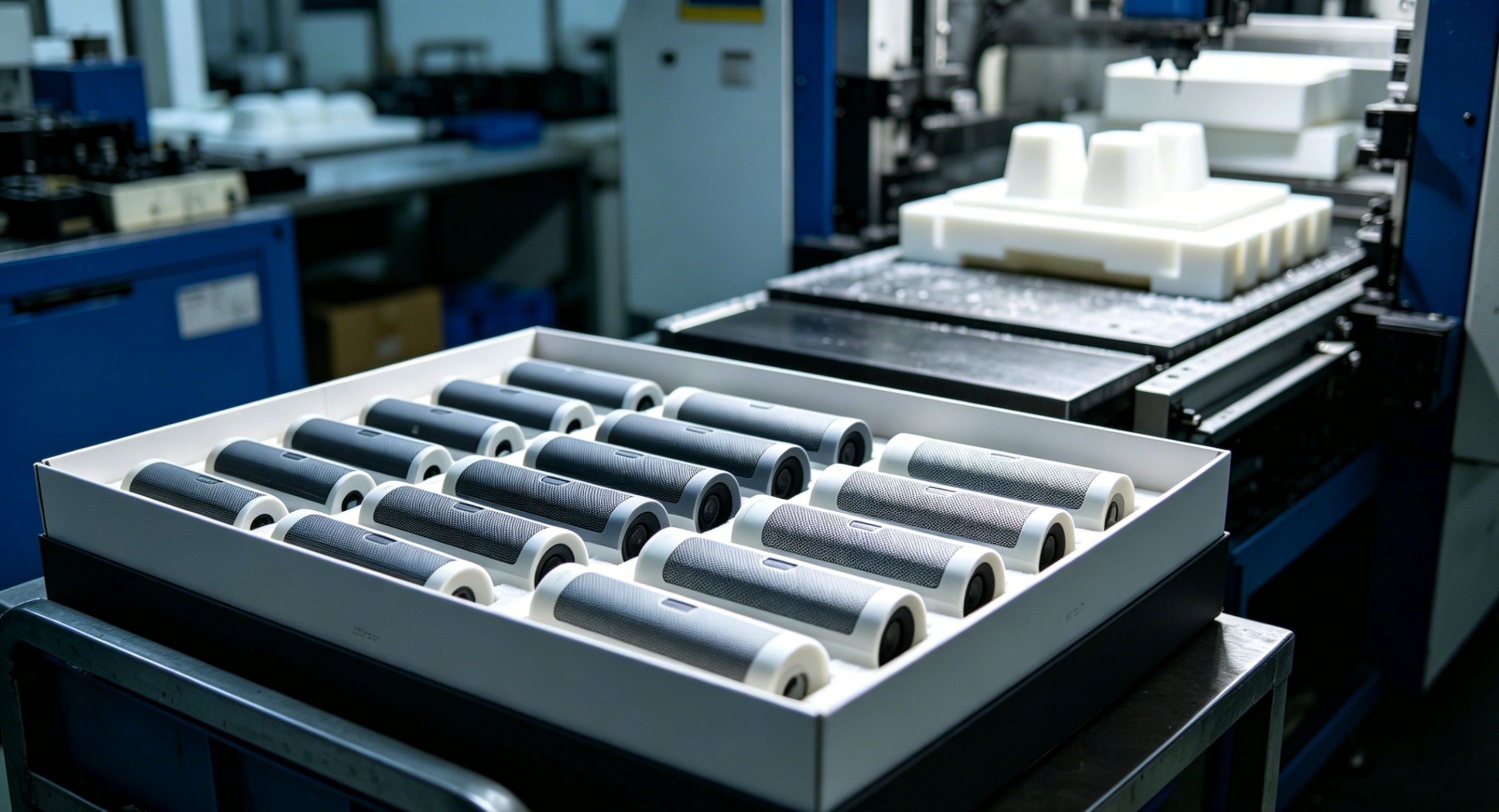
Photo evidence
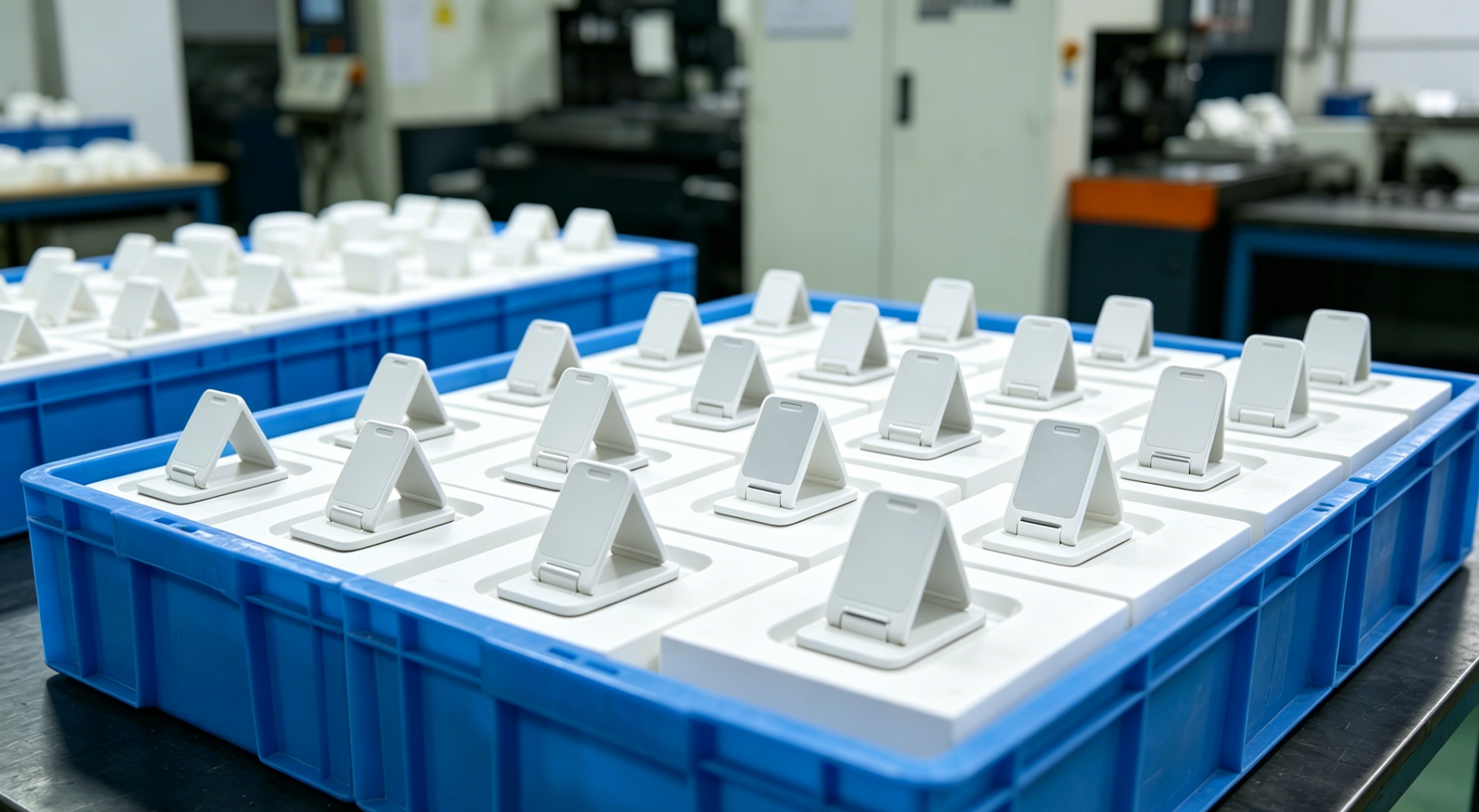
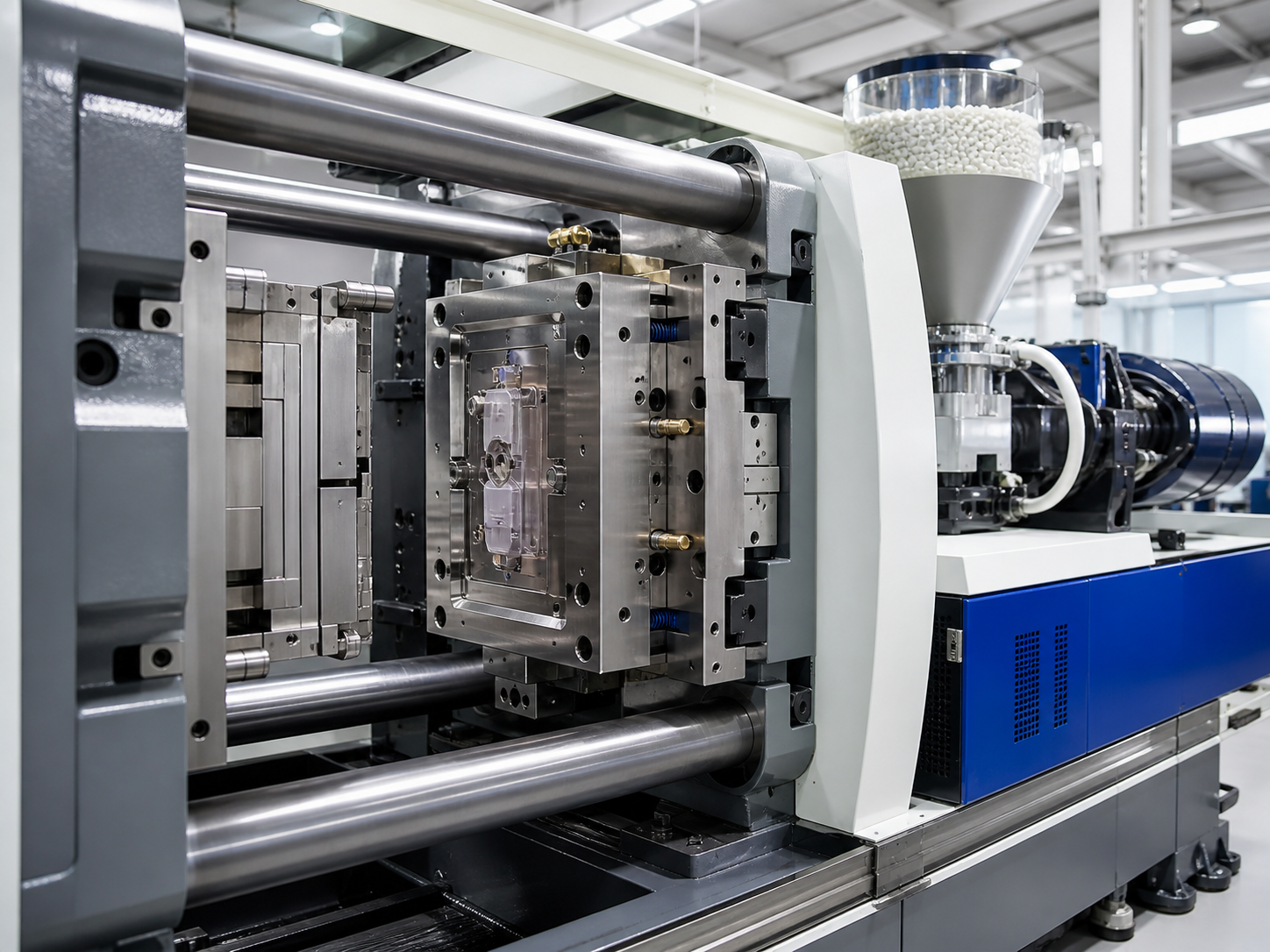
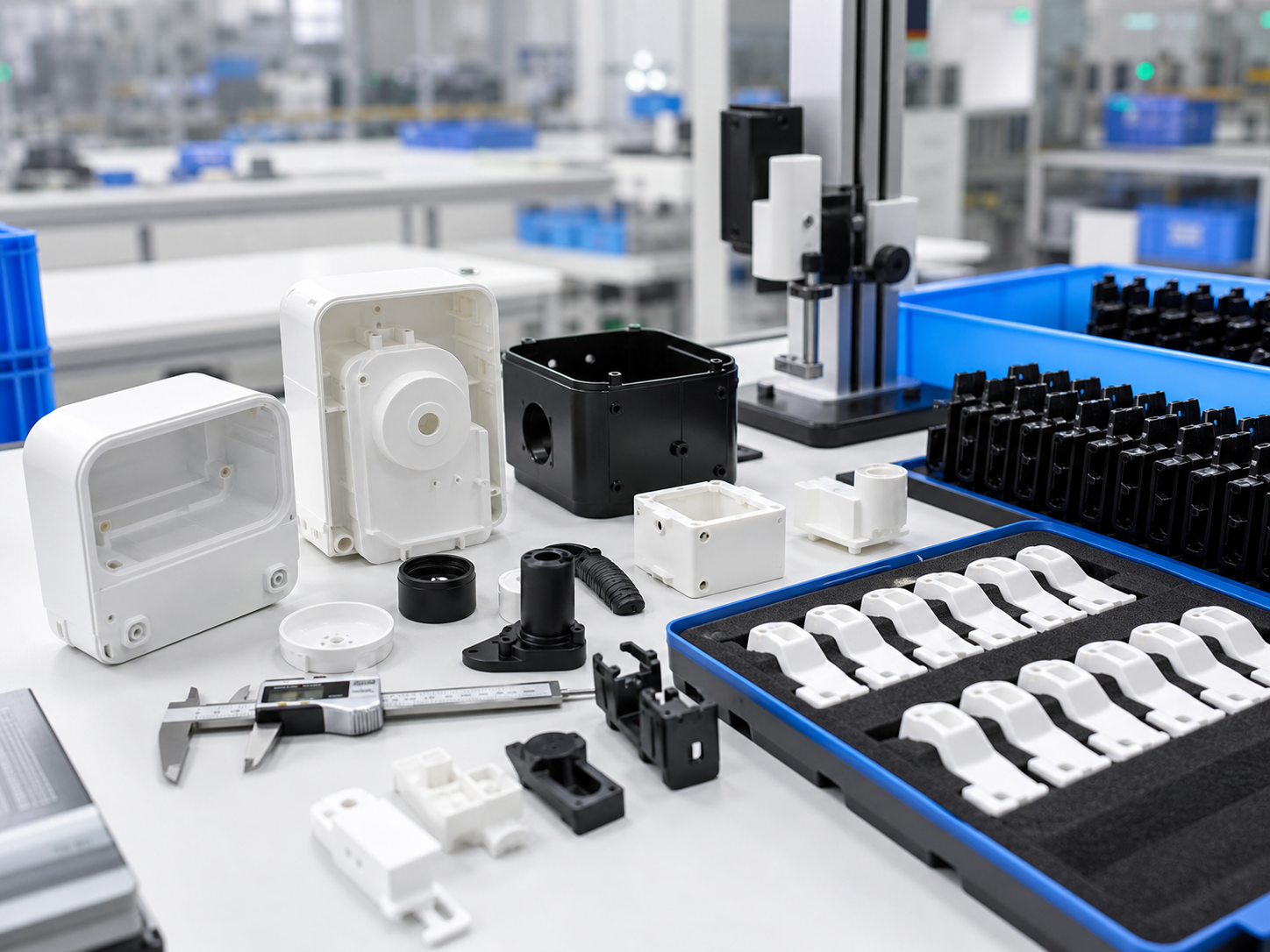
Medical-related plastic part photo evidence buyers should review
A useful overseas-buyer case should include more than text. Review product, structure, mold or T1, inspection, and packing photos so the project discussion stays connected to real manufacturing checkpoints.

T1 sample feedback
Sample review grouped functional and surface feedback
| Review item | What was checked | Why it matters to the buyer |
|---|---|---|
| Critical dimensions | Functional dimensions, fit points, datum references, hole sizes, flatness, and measurement method. | Medical-related assemblies often need clear incoming inspection criteria on the buyer side. |
| Surface and edges | Flash, burrs, sharp edges, gate marks, scratches, color, sink, flow marks, and visible contamination. | Surface condition can affect handling, appearance, cleanliness expectations, and buyer acceptance. |
| Material requirement | Buyer-specified grade, color, documentation request, and any special use requirement. | Material assumptions should be resolved before production, not after parts are molded. |
| Packing and labels | Bagging, part separation, label information, carton layout, packing photos, and mixed-part prevention. | Organized packing supports clean handling and buyer-side inspection after shipment. |
Production and inspection
Inspection focused on practical checks the buyer could review
Material confirmation
Buyer-specified grade, color, material note, and documentation request if applicable.
Dimensional inspection
Critical dimensions, functional fit, measurement method, sample size, and report expectations.
Appearance review
Flash, burrs, surface marks, color consistency, contamination, gate mark, and packaging cleanliness.
Packing review
Bagging, labeling, carton organization, protection during shipment, and pre-shipment packing photos.
Result
The case made requirements clearer before production approval
The review helped separate buyer-defined requirements from molding process checks. That gave the buyer a clearer way to approve samples, request corrections, and review production packing without relying on vague quality expectations.
FAQ
Medical-related plastic part case questions
Is this case study a medical certification claim?
No. This is an anonymous manufacturing review example for a non-implant medical-related molded plastic part. It does not claim medical certification, regulatory approval, clinical performance, or suitability for a specific regulated use.
What files should buyers send for review?
Send CAD files, 2D drawings, material target, quantity, critical dimensions, surface requirements, packing expectations, destination country, and any buyer-defined documentation or compliance requirements.
Can material and clean packing requirements be reviewed before tooling?
Yes. Material direction, appearance expectations, handling rules, bagging, labels, carton organization, and buyer-side inspection needs should be discussed before tooling or production approval.
Who is responsible for regulatory and end-use requirements?
The buyer should define regulatory, testing, sterilization, documentation, and end-use requirements. Plastic Make can review moldability, tooling, samples, inspection, and packing against the requirements provided in the RFQ.
Have a similar medical-related part?
Send part drawings and requirements for review
Attach CAD files, drawings, material, quantity, target use, critical dimensions, inspection standard, packaging requirements, destination country, and any buyer-defined compliance needs.
Ready to check your plastic part?
Send drawings for an injection molding quote
For faster review, include CAD files or photos, material, quantity, color, finish, destination country, and any critical fit or appearance requirements.